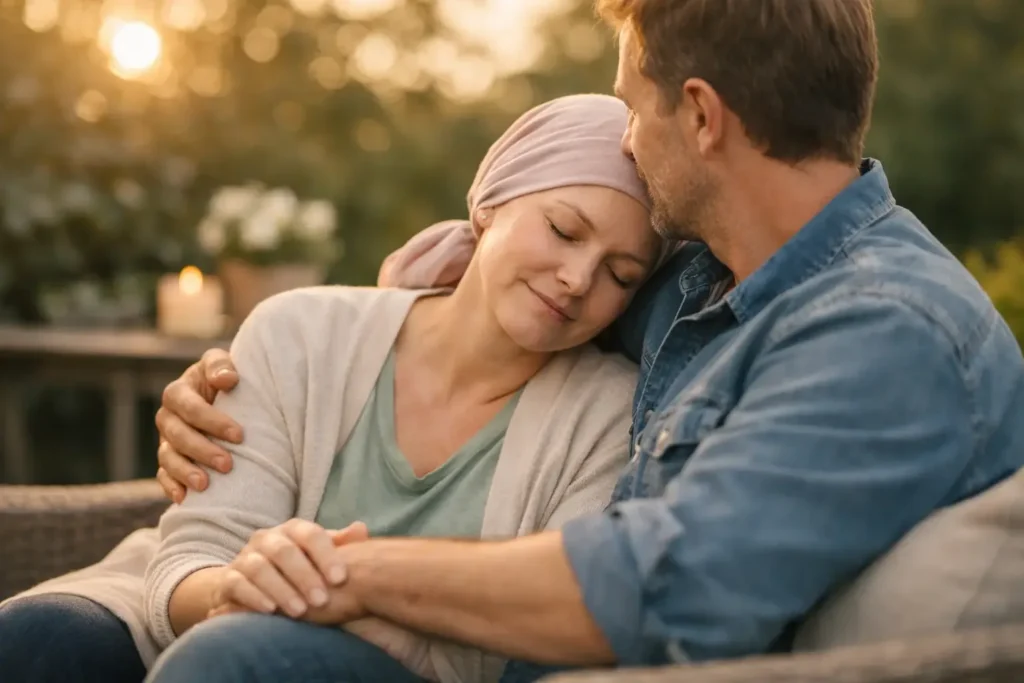
A diagnosis can change the emotional rhythm of a household in a single conversation. There may be fear, numbness, anger, relief at finally having answers, or pressure to stay positive for everyone else. This guide to cancer support counselling offers a gentle place to begin when cancer is affecting your thoughts, relationships, identity, or sense of safety.
Cancer support counselling is not about finding the “right” emotional response. It is a space to tell the truth about what is hard, make room for what matters to you, and receive skilled support without having to carry the weight alone. Whether you are living with cancer, in remission, supporting someone you love, or grieving a loss, your experience deserves care.
A guide to cancer support counselling: what it can hold
Cancer-related therapy addresses the emotional and relational impact of illness alongside the practical realities of medical care. A counselor does not replace your oncology team or offer medical advice. Instead, they support the parts of this experience that can be harder to name in an appointment focused on scans, symptoms, or treatment decisions.
You might want to talk about the shock of diagnosis, worries about recurrence, body changes, fatigue, fertility, work, finances, or the feeling that other people expect you to be grateful and hopeful all the time. You may be grieving the life you had imagined, even while working toward recovery. These feelings can coexist. Hope and fear often sit side by side.
Counselling can also provide room for the questions that do not have neat answers: Why did this happen? Who am I now? How do I live with uncertainty? What does a meaningful life look like after treatment? A compassionate therapist will not rush you past those questions. They can help you stay connected to yourself while you move through them.
Support is for more than the person with cancer
Cancer changes relationships. Partners may cope differently, with one wanting to talk and the other becoming quiet or focused on tasks. Parents may be trying to protect children while managing their own fear. Adult children may become caregivers while also balancing work, parenting, and grief. Friends can be loving but unsure of what to say.
Caregivers, in particular, often minimize their own distress. They may feel guilty for being exhausted, resentful, frightened, or lonely when someone else is receiving treatment. Yet caregiver stress is real. Counselling can offer a protected space to speak honestly, rebuild emotional reserves, and set boundaries without losing sight of love and commitment.
Couples and family sessions can be helpful when communication has become strained. Therapy may create a calmer way to discuss practical needs, intimacy, changing roles, fears about the future, or how to support children. It is not about deciding who is coping “better.” It is about helping each person feel heard and helping the family find its footing together.
When might counseling help?
There is no wrong stage to seek support. Some people begin counseling soon after diagnosis, while others reach out during treatment, after treatment ends, or years later when a scan, anniversary, or new symptom brings the fear back.
It may be especially helpful if worry is interfering with sleep, concentration, relationships, or your ability to get through the day. You may notice persistent sadness, panic, irritability, withdrawal, conflict at home, or a sense that you have become disconnected from yourself. Even if you are functioning well on the outside, you do not need to wait for a crisis to ask for care.
For some, the end of treatment is unexpectedly difficult. Appointments may become less frequent, while family and friends assume life should return to normal. You may feel relieved and deeply unsettled at once. Survivorship often involves adjusting to a body, identity, and future that feel different from before. Therapy can make room for that transition rather than treating it as something to simply “get over.”
What happens in cancer support counselling?
The first sessions usually focus on your story and what support would feel most useful. You might talk about your diagnosis and treatment, but you do not have to recount every detail before you are ready. A therapist may ask about your support system, current stressors, coping patterns, relationships, and the goals you have for therapy.
From there, the work is individualized. Evidence-based approaches such as cognitive behavioral therapy can help you notice and respond differently to spiraling thoughts. Acceptance and commitment therapy may support you in making values-based choices even when uncertainty remains. Compassion-focused and trauma-informed approaches can help soften self-blame, create emotional safety, and support your nervous system after frightening medical experiences.
Sometimes counselling is practical. You may practice how to communicate a need to a partner, prepare for an anxiety-provoking appointment, or create a small routine that makes treatment weeks more manageable. At other times, it is simply a place to cry, be angry, or sit with the complexity of what you have lived through. Both are meaningful therapeutic work.
Choosing a counselor who feels right
A good therapeutic relationship is one where you feel respected, not judged or rushed. Look for a licensed mental health professional with experience in illness, grief, trauma, caregiving, or family relationships. Ask how they approach cancer-related concerns and whether they work with individuals, couples, or families if those options matter to you.
It can also help to consider what emotional safety means in your life. You may want a therapist who understands the cultural, spiritual, racial, family, or community context shaping your experience. You deserve care that honors your values rather than making assumptions about what healing should look like.
The first conversation is a chance to notice fit. Do you feel listened to? Does the therapist explain their approach clearly? Can you imagine being honest with them over time? It is okay if it takes more than one consultation to find the right person. Therapy is personal, and trust matters.
The role of virtual counselling
Virtual counseling can make support more accessible when travel, fatigue, mobility limitations, appointments, or caregiving demands make in-person therapy difficult. Video or phone sessions allow you to meet from a private space that feels comfortable, without adding another commute to an already full schedule.
That said, virtual care works best when you have enough privacy to speak freely and a dependable way to connect. If home is busy, some people schedule sessions during a quiet time, sit in a parked car, or use headphones in a private room. A therapist can help you think through what will make the space feel safer and more supportive.
For clients in British Columbia and Ontario, Rising Minds Counselling and Psychotherapy offers compassionate virtual support that recognizes cancer as more than a medical event. It can touch identity, partnership, parenting, belonging, and the way you imagine the future.
Supporting someone without taking over
If someone you love has cancer, you do not need perfect words. Often, the most caring response is to stay present and ask what would help. “Would you like to talk, or would you rather have company without talking?” can be more supportive than trying to solve what cannot be solved.
Try to follow their lead. Some people want regular updates and practical help; others want moments of normalcy. Offer specific support when you can, such as bringing a meal, driving to an appointment, helping with childcare, or checking in after a scan. Also remember that your loved one remains a whole person, not only a patient.
If your own fear or grief feels overwhelming, seeking your own counseling can be an act of care for both of you. You are allowed to need support, too.
Cancer can narrow life into appointments, results, and next steps. Counseling can become one place where you are seen as a person with fears, strengths, relationships, and a story still unfolding. You do not have to face every part of that story alone.